
News From Foster
Foster Marketing
A Conversation on Creativity, Collaboration & Design
Home | News From Foster | A Conversation on Creativity, Collaboration & Design

At Foster Marketing, creativity and strategy go hand in hand, and we believe our most innovative ideas come from this collaboration. In this edition of Fostering Ideas, we hear from three members of our creative team — Kristy Bonner, VP of Digital Services; Abigail Geoffroy, Account Coordinator; and Britni Gerami, Creative Coordinator — as they share perspectives on inspiration, collaboration, the creative process, and the work that brings ideas to life.
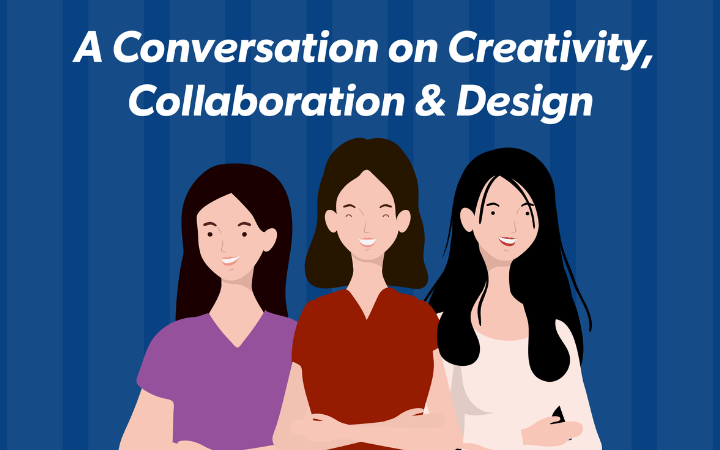
Q&A with Kristy, Britni and Abigail

Britni Gerami – Creative Coordinator

How would you describe your creative style or approach?
My creative approach is very goal-oriented and strategic. I like to begin every project by understanding its purpose and what the design is meant to accomplish. Whether the objective is to increase engagement, communicate a message, drive action, or strengthen a brand, I believe the most effective creative work starts with a clear understanding of the end goal.

Where do you find inspiration for your work?
I find inspiration in everyday life more than anywhere else. It can come from nature, architecture, different environments, or even small details that most people might overlook. I try to stay observant because inspiration often shows up in unexpected places. For example, I once noticed an interesting pattern on an office chair that stuck with me. Later, when working on a client project, that pattern inspired the design of an icon I was creating. Experiences like that remind me that creative ideas can come from simply paying attention to the world around you.

What design trends are you currently excited about?
I’m currently really excited about the “messy” sketch-inspired digital design trend. I love how it blends the raw, authentic feel of hand-drawn elements with the flexibility and precision of digital tools. It brings a sense of personality and humanity to designs that can sometimes feel overly polished or corporate. This style feels approachable and expressive. The imperfect lines and handwritten details create a more organic visual experience while still being intentional. It allows designers to communicate creativity and authenticity in a way that resonates with audiences.

What’s been one of your favorite projects to work on recently?
One of my favorite projects recently was creating a cut sheet for a client. What made it especially interesting was the challenge of fitting a large amount of information onto a single page without making it feel cluttered or overwhelming. I enjoy projects like that because they require both creative thinking and problem-solving. The challenge wasn’t just making the information fit, it was finding ways to organize the content, establish a clear visual hierarchy, and turn dense copy into a design that was engaging and easy to navigate.

How do you approach feedback and revisions creatively?
I approach feedback and revisions with an open mind and a collaborative mindset. I always keep in mind that every piece of feedback is one step closer to achieving the client’s vision and the overall goals of the project.

Rather than viewing revisions as setbacks, I see them as opportunities to refine and strengthen the design. Feedback often provides valuable insight into the client’s perspective, audience, and objectives, which helps ensure the final product is as effective as possible.

What tools or techniques do you rely on most in your work?
The tools I rely on most are Adobe Creative Suite, particularly Illustrator, InDesign, and Photoshop, depending on the needs of the project. Each one plays an important role in helping me bring ideas to life, whether I’m creating brand assets, designing layouts, or refining visual details.

Beyond the software itself, one of the techniques I rely on most is establishing a strong visual hierarchy. I like to focus on organizing information in a way that guides the viewer naturally through the design and makes the message as clear as possible. I also spend a lot of time sketching ideas, gathering inspiration, and exploring different concepts before settling on a final direction.

What advice would you give aspiring designers entering the industry?
My advice to aspiring designers would be to explore every idea they have, even the ones that initially seem like “bad” ideas. Creativity isn’t always about finding the perfect solution right away. Sometimes an idea that doesn’t work can lead you down a path that sparks something much better.

I’ve found that the creative process is often about experimentation. When you give yourself permission to try different concepts without immediately judging them, you open the door to unexpected solutions and new ways of thinking. Even ideas that never make it into the final design can play an important role in getting you there.

I’d also encourage new designers to stay curious, keep learning, and not be afraid to take creative risks. The more you practice, the more you’ll develop your own unique perspective and creative confidence.


 

Abigail Geoffroy – account coordinator

How do you balance the creative and organizational sides of your role?
In my mind, they are color-coded areas. One minute I’m building a timeline, the next I’m chasing a big campaign idea that needs a fresh idea – but somehow, they keep each other in check.

How does being an artist influence the way you approach project coordination?
Artists see possibilities before they see limitations. That mindset helps me find creative solutions when projects hit unexpected turns and helps me approach that task at hand.

What’s your process for keeping projects moving while protecting creativity?
I look at the overall roadmap instead of just the route. Clear deadlines keep us moving, while flexibility leaves room for the best ideas to emerge.

What project or campaign has challenged you in the best way?
The ones with lots of moving pieces and ambitious goals. Those projects force me to level up, think faster, and trust the process.

What’s one lesson you’ve learned from working across multiple disciplines?
The best ideas usually happen at the intersection of understanding or hearing different perspectives. The spark ignites in the overlap.

How do collaboration and teamwork contribute to strong creative outcomes?
Creativity is contagious. Put talented people in a room, give them a shared goal, and watch ideas become something bigger than anyone could have created alone.
 

Kristy Bonner – VP Digital Services

What’s your favorite part of the design process?
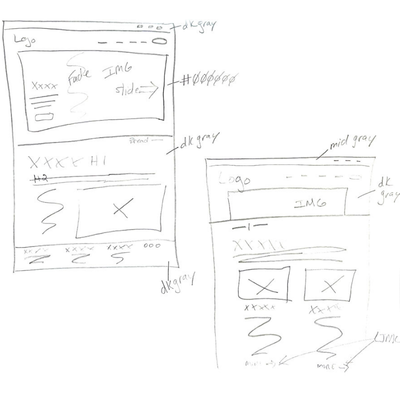
I like to start with pen and paper to sketch out the basic shape of what I see in my mind. To capture the full scope of the idea, I layer in HEX colors, motion notations and key content. This provides an elevated starting point when I sit down to design a web concept, email blast or multi-part campaign.

How would you describe your creative style or approach?
I begin with the end in mind. Before I start creating a campaign or even a layout, I want to know who I’m trying to reach and what I want them to do. Then I can tap into what would be relevant to that audience, what makes them click, or consider a different tactic if they are more likely to chat with someone versus download a technical paper, for example.

Where do you find inspiration for your work?
That’s easy — everywhere! Specifically, because B2B industrial and energy clients tend to be a few years behind B2C trends, I like to look at other industries for inspiration. For example, if a B2C brand is really good at getting customers to engage on social media, what can we learn from them and leverage for a B2B brand? I also gather design ideas pretty much everywhere – a shape I see in a building, the color in a painting, or an image conjured up reading a novel.

What design trends are you currently excited about?
I like dark-mode designs with a strong attention-grabbing element and a pop of color that makes users pause and say, “What’s happening here? This is different from the last time I visited this site.”

How do you approach feedback and revisions creatively?
The creative process is bigger than one person, and you cannot creatively direct yourself. You need someone to tell you if a concept is confusing or sending the wrong message. It’s much better to discover that during the creative process than through customer feedback.

What tools or techniques do you rely on most in your work?
In the digital world, the only constant is change. However, leveraging data to understand your audience and the competitive landscape before you build a campaign will always be in style.

What advice would you give aspiring designers entering the industry?
Learn everything you can. Keep an idea file and take snapshots on your phone of ads that catch your eye, billboards that make you stop and look, or articles that you actually read and share. When you’re staring at a blank page, start there to get your creative juices flowing.

Need a fresh perspective? Whether you’re launching a campaign, refreshing your brand, or creating eye-catching marketing materials, Foster Marketing’s creative team is here to help. From concept to final design, we develop strategic, impactful creative that captures attention, strengthens your brand, and delivers results. Contact us online today or call 281-448-3435 to bring your next creative project to life. Looking to strengthen your marketing strategy while staying ahead of industry trends? 


Britni Gerami – Creative Coordinator

How would you describe your creative style or approach?
My creative approach is very goal-oriented and strategic. I like to begin every project by understanding its purpose and what the design is meant to accomplish. Whether the objective is to increase engagement, communicate a message, drive action, or strengthen a brand, I believe the most effective creative work starts with a clear understanding of the end goal.

Where do you find inspiration for your work?
I find inspiration in everyday life more than anywhere else. It can come from nature, architecture, different environments, or even small details that most people might overlook. I try to stay observant because inspiration often shows up in unexpected places. For example, I once noticed an interesting pattern on an office chair that stuck with me. Later, when working on a client project, that pattern inspired the design of an icon I was creating. Experiences like that remind me that creative ideas can come from simply paying attention to the world around you.

What design trends are you currently excited about?
I’m currently really excited about the “messy” sketch-inspired digital design trend. I love how it blends the raw, authentic feel of hand-drawn elements with the flexibility and precision of digital tools. It brings a sense of personality and humanity to designs that can sometimes feel overly polished or corporate. This style feels approachable and expressive. The imperfect lines and handwritten details create a more organic visual experience while still being intentional. It allows designers to communicate creativity and authenticity in a way that resonates with audiences.

What’s been one of your favorite projects to work on recently?
One of my favorite projects recently was creating a cut sheet for a client. What made it especially interesting was the challenge of fitting a large amount of information onto a single page without making it feel cluttered or overwhelming. I enjoy projects like that because they require both creative thinking and problem-solving. The challenge wasn’t just making the information fit, it was finding ways to organize the content, establish a clear visual hierarchy, and turn dense copy into a design that was engaging and easy to navigate.

How do you approach feedback and revisions creatively?
I approach feedback and revisions with an open mind and a collaborative mindset. I always keep in mind that every piece of feedback is one step closer to achieving the client’s vision and the overall goals of the project.

Rather than viewing revisions as setbacks, I see them as opportunities to refine and strengthen the design. Feedback often provides valuable insight into the client’s perspective, audience, and objectives, which helps ensure the final product is as effective as possible.

What tools or techniques do you rely on most in your work?
The tools I rely on most are Adobe Creative Suite, particularly Illustrator, InDesign, and Photoshop, depending on the needs of the project. Each one plays an important role in helping me bring ideas to life, whether I’m creating brand assets, designing layouts, or refining visual details.

Beyond the software itself, one of the techniques I rely on most is establishing a strong visual hierarchy. I like to focus on organizing information in a way that guides the viewer naturally through the design and makes the message as clear as possible. I also spend a lot of time sketching ideas, gathering inspiration, and exploring different concepts before settling on a final direction.

What advice would you give aspiring designers entering the industry?
My advice to aspiring designers would be to explore every idea they have, even the ones that initially seem like “bad” ideas. Creativity isn’t always about finding the perfect solution right away. Sometimes an idea that doesn’t work can lead you down a path that sparks something much better.

I’ve found that the creative process is often about experimentation. When you give yourself permission to try different concepts without immediately judging them, you open the door to unexpected solutions and new ways of thinking. Even ideas that never make it into the final design can play an important role in getting you there.

I’d also encourage new designers to stay curious, keep learning, and not be afraid to take creative risks. The more you practice, the more you’ll develop your own unique perspective and creative confidence.


Abigail Geoffroy – account coordinator

How do you balance the creative and organizational sides of your role?
In my mind, they are color-coded areas. One minute I’m building a timeline, the next I’m chasing a big campaign idea that needs a fresh idea – but somehow, they keep each other in check.

How does being an artist influence the way you approach project coordination?
Artists see possibilities before they see limitations. That mindset helps me find creative solutions when projects hit unexpected turns and helps me approach that task at hand.

What’s your process for keeping projects moving while protecting creativity?
I look at the overall roadmap instead of just the route. Clear deadlines keep us moving, while flexibility leaves room for the best ideas to emerge.

What project or campaign has challenged you in the best way?
The ones with lots of moving pieces and ambitious goals. Those projects force me to level up, think faster, and trust the process.

What’s one lesson you’ve learned from working across multiple disciplines?
The best ideas usually happen at the intersection of understanding or hearing different perspectives. The spark ignites in the overlap.

How do collaboration and teamwork contribute to strong creative outcomes?
Creativity is contagious. Put talented people in a room, give them a shared goal, and watch ideas become something bigger than anyone could have created alone.
 

Kristy Bonner – VP Digital Services

What’s your favorite part of the design process?
I like to start with pen and paper to sketch out the basic shape of what I see in my mind. To capture the full scope of the idea, I layer in HEX colors, motion notations and key content. This provides an elevated starting point when I sit down to design a web concept, email blast or multi-part campaign.

How would you describe your creative style or approach?
I begin with the end in mind. Before I start creating a campaign or even a layout, I want to know who I’m trying to reach and what I want them to do. Then I can tap into what would be relevant to that audience, what makes them click, or consider a different tactic if they are more likely to chat with someone versus download a technical paper, for example.

Where do you find inspiration for your work?
That’s easy — everywhere! Specifically, because B2B industrial and energy clients tend to be a few years behind B2C trends, I like to look at other industries for inspiration. For example, if a B2C brand is really good at getting customers to engage on social media, what can we learn from them and leverage for a B2B brand? I also gather design ideas pretty much everywhere – a shape I see in a building, the color in a painting, or an image conjured up reading a novel.

What design trends are you currently excited about?
I like dark-mode designs with a strong attention-grabbing element and a pop of color that makes users pause and say, “What’s happening here? This is different from the last time I visited this site.”

How do you approach feedback and revisions creatively?
The creative process is bigger than one person, and you cannot creatively direct yourself. You need someone to tell you if a concept is confusing or sending the wrong message. It’s much better to discover that during the creative process than through customer feedback.

What tools or techniques do you rely on most in your work?
In the digital world, the only constant is change. However, leveraging data to understand your audience and the competitive landscape before you build a campaign will always be in style.

What advice would you give aspiring designers entering the industry?
Learn everything you can. Keep an idea file and take snapshots on your phone of ads that catch your eye, billboards that make you stop and look, or articles that you actually read and share. When you’re staring at a blank page, start there to get your creative juices flowing.

Need a fresh perspective? Whether you’re launching a campaign, refreshing your brand, or creating eye-catching marketing materials, Foster Marketing’s creative team is here to help. From concept to final design, we develop strategic, impactful creative that captures attention, strengthens your brand, and delivers results. Contact us online today or call 281-448-3435 to bring your next creative project to life. Looking to strengthen your marketing strategy while staying ahead of industry trends? 
 

Kristy Bonner – VP Digital Services

What’s your favorite part of the design process?
I like to start with pen and paper to sketch out the basic shape of what I see in my mind. To capture the full scope of the idea, I layer in HEX colors, motion notations and key content. This provides an elevated starting point when I sit down to design a web concept, email blast or multi-part campaign.

How would you describe your creative style or approach?
I begin with the end in mind. Before I start creating a campaign or even a layout, I want to know who I’m trying to reach and what I want them to do. Then I can tap into what would be relevant to that audience, what makes them click, or consider a different tactic if they are more likely to chat with someone versus download a technical paper, for example.

Where do you find inspiration for your work?
That’s easy — everywhere! Specifically, because B2B industrial and energy clients tend to be a few years behind B2C trends, I like to look at other industries for inspiration. For example, if a B2C brand is really good at getting customers to engage on social media, what can we learn from them and leverage for a B2B brand? I also gather design ideas pretty much everywhere – a shape I see in a building, the color in a painting, or an image conjured up reading a novel.

What design trends are you currently excited about?
I like dark-mode designs with a strong attention-grabbing element and a pop of color that makes users pause and say, “What’s happening here? This is different from the last time I visited this site.”

How do you approach feedback and revisions creatively?
The creative process is bigger than one person, and you cannot creatively direct yourself. You need someone to tell you if a concept is confusing or sending the wrong message. It’s much better to discover that during the creative process than through customer feedback.

What tools or techniques do you rely on most in your work?
In the digital world, the only constant is change. However, leveraging data to understand your audience and the competitive landscape before you build a campaign will always be in style.

What advice would you give aspiring designers entering the industry?
Learn everything you can. Keep an idea file and take snapshots on your phone of ads that catch your eye, billboards that make you stop and look, or articles that you actually read and share. When you’re staring at a blank page, start there to get your creative juices flowing.

Need a fresh perspective? Whether you’re launching a campaign, refreshing your brand, or creating eye-catching marketing materials, Foster Marketing’s creative team is here to help. From concept to final design, we develop strategic, impactful creative that captures attention, strengthens your brand, and delivers results. Contact us online today or call 281-448-3435 to bring your next creative project to life. Looking to strengthen your marketing strategy while staying ahead of industry trends? 


Foster Marketing
Privacy Overview

We value your privacy and are committed to protecting your personal data. This site uses cookies to enhance your experience, analyze traffic, and support our marketing efforts. For more details on how we collect, use, and protect your information, please review our full Privacy Policy. By continuing to use our site, you agree to our use of cookies and our privacy practices.