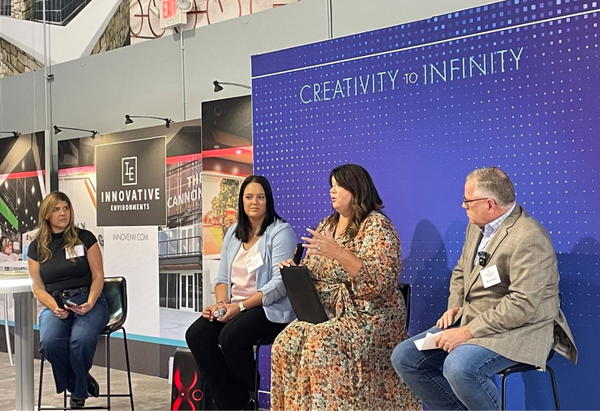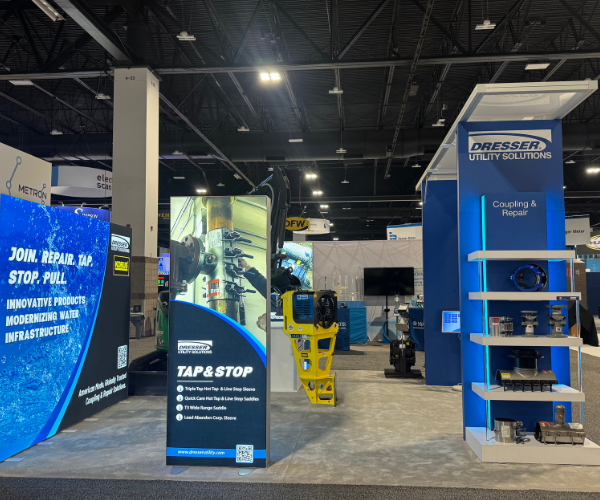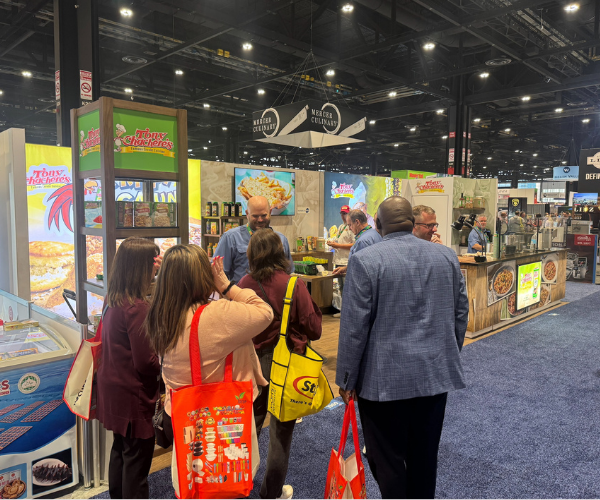
Foster Marketing President and CEO Tiffany Harris has a long history in trade show and event marketing. Last year, she joined a panel conversation in Houston and shared lessons learned from decades of helping brands make the most of their event investments. Here are a few highlights for our Fostering Ideas followers.
Tiffany has been part of Foster Marketing for 30 years and became owner five years ago. Today, Foster is a full-service marketing firm specializing in building brand equity for companies in the B2B sector – primarily in the energy, industrial, manufacturing and utility industries. And while Foster supports a wide range of marketing initiatives, event and trade show marketing remains one of Tiffany’s greatest strengths — and one of her favorite areas to help clients win.
From massive double-decker exhibits to smaller in-line booths to intimate customer events to global user groups, Tiffany has worked with clients to plan, design, build, promote and execute thousands of events in more than 35 countries. And no matter the event size or budget, one thing remains true: events can’t be treated as a simple task on a checklist — they must be treated as individual comprehensive marketing plans.
Below are a few of Tiffany’s most valuable insights for companies looking to improve trade show performance and maximize ROI.
The Biggest Shifts in Trade Shows Today: Fewer Events, More Strategy
One of the biggest shifts Tiffany sees is that companies are doing fewer shows, but expecting bigger results from each one. Instead of spreading teams thin across dozens of events, many organizations are becoming more selective — choosing the shows that best match their audience, goals, and market position.
This shift is driving smarter conversations around:
- Boutique events vs. broad-reach shows
- Quality attendees vs. quantity of attendees
- And whether an exhibit is even necessary
In some cases, Tiffany notes that an exhibit isn’t always the best move. Depending on the event objectives, brands may get stronger outcomes through sponsorships, speaking opportunities, private customer events, or strategic attendance.
Thought Leadership Isn’t a Bonus Anymore — It’s the Expectation
Trade shows used to be viewed as a sales-driven environment where “showing up” was enough. Today, attendees are often coming with a mission: they’re gathering information, comparing solutions and asking deeper questions beyond the spec sheet.
That’s why Tiffany emphasizes the importance of thought leadership at events. Brands need their leaders and subject matter experts to attend, participate, and engage—because trade shows are no longer just a platform for sales teams, but an opportunity to showcase your brand as a solutions provider.
If you want to stand out, you can’t just be present. You have to be relevant.
‘Build It and They Will Come’ Is No Longer a Strategy
No matter your booth size or budget, Tiffany says one thing is non-negotiable: you must “work” the show.
That means building a full plan that includes:
- Pre-show marketing to drive the right traffic
- Onsite activation to create real engagement
- Post-show follow-up to turn conversations into outcomes
Simply showing up and waiting for attendees to stop by is one of the fastest ways to waste an event investment.
The End-to-End Event Playbook: Go Beyond the Booth
Tiffany encourages companies to think beyond booth design and logistics and build an integrated event plan aligned to show goals and the audience experience. Ideally, this starts early — often 6–12 months out — and includes a timed rollout of marketing and thought leadership efforts before, during, and after the show.
Pre-show essentials
- Strategy, theme, goals, and KPIs
- Messaging aligned with broader marketing initiatives
- Booth staff meetings and early buy-in
- Booth training and preparation
- Thought leadership planning (white papers, speaking, panels, committees)
- Social campaigns and show-channel promotion
- Direct customer outreach and meeting scheduling
- Advertising and sponsorship planning
Onsite essentials
- Media announcements and in-booth interviews
- SME videos and Q&As for social content
- Customer meetings and relationship-building
- Working the floor, sessions, booth, and surrounding events
Post-show essentials
- Video recaps and digital media kits
- Personal follow-ups and continued outreach
- Booth staff surveys and reporting
- Clear tracking into the sales funnel timeline
Common Event Mistakes To Avoid
Even strong brands can miss opportunities if they fall into a few common traps:
- Treating every show the same
Events aren’t one-size-fits-all. Know when and at what extent to exhibit, when to sponsor, when to attend, and when to host a private event instead. - Waiting for booth traffic
Your booth is a tool—not the goal. You need a plan to drive the right people to your booth and setup meetings ahead of the show. - Starting too late
Early planning unlocks discounts, better positioning and better performance.
Final Takeaway: Make Events Work Harder for Your Brand
When budgets are tight, Tiffany’s advice is to focus on what matters most: do your research, know your audience and align event goals to measurable outcomes.
When executed strategically, event marketing isn’t just a trade show expense, it’s a powerful way to build brand recognition, strengthen relationships, and generate real momentum long after the show ends.
Partner with our trade show and event experts to drive success at your events and track performance every step of the way. Call 281-448-3435 or reach out online to set up a meeting.